

Are you curious about what a Tenison Rod is and how it can make a difference for you? Whether you’re dealing with a spinal issue or exploring treatment options, understanding this tool is crucial.
This article will break down everything you need to know in simple terms. By the end, you’ll feel confident about how a Tenison Rod works and why it might be the solution you’ve been searching for. Keep reading to discover how this small device can have a big impact on your health.

What Is A Tenison Rod
A Tenison rod is a medical device used to support broken bones. It helps keep the bone pieces in place while they heal. This rod is often used in cases of fractures in long bones like the femur or tibia.
The rod is inserted inside the bone, providing strong internal support. It allows patients to move earlier, which helps with faster recovery. Surgeons prefer Tenison rods because they are less invasive compared to other methods.
Design And Material
Tenison rods are made from strong metals, usually stainless steel or titanium. These materials resist corrosion and are safe inside the body. The rod is thin and flexible but strong enough to hold bone fragments together.
The design includes a smooth surface to reduce irritation. It often has a locking mechanism at the ends to prevent movement inside the bone.
How It Works
The rod goes inside the hollow part of a long bone. It acts like a splint inside the bone. This stops the broken parts from moving too much.
By stabilizing the bone, the rod helps new bone cells grow and join the fragments. It also reduces pain and allows better movement during healing.
Common Uses
Doctors use Tenison rods to treat fractures in long bones. It is common in children and adults with broken femurs or tibias. Sometimes, it is used for complex fractures that cannot heal well with casts alone.
The rod supports the bone from the inside, so it can heal straight and strong. Patients often recover faster with less chance of complications.
Key Benefits Of Tenison Rods
Tenison rods offer several key benefits that make them a preferred choice in many industries. These rods are designed to provide strength and reliability. Their quality makes them suitable for various applications. Understanding their benefits helps in making better material choices.
Enhanced Durability
Tenison rods have high strength and toughness. They resist wear and tear over time. This durability ensures long-lasting performance in tough conditions. Users save money by avoiding frequent replacements.
Corrosion Resistance
These rods resist rust and corrosion effectively. They perform well even in wet or harsh environments. This resistance protects the rods from damage and decay. It extends their useful life significantly.
Cost Efficiency
Tenison rods provide good value for their price. Their durability reduces maintenance and replacement costs. Using these rods lowers overall project expenses. A smart choice for budget-conscious buyers.
Ease Of Installation
Tenison rods are easy to handle and fit. Their design simplifies the installation process. This saves time and labor costs during projects. Quick installation improves overall work efficiency.
Common Applications In 2025
Tenison Rod continues to play a vital role in many industries by 2025. Its strength, flexibility, and durability make it a preferred choice for various applications. These features help improve safety and efficiency in different work environments.
Understanding where the Tenison Rod is used helps appreciate its value. It supports key sectors like construction, electrical systems, automotive, and agriculture. Each field benefits from its unique properties and adaptability.
Construction Industry
Tenison Rod is widely used in construction for structural support. It helps reinforce concrete and steel frameworks. Builders rely on it for bridges, buildings, and tunnels. Its resistance to corrosion extends the life of structures. Workers find it easy to install and maintain.
Electrical Systems
In electrical work, a Tenison Rod serves as a grounding tool. It protects equipment and people by directing electricity safely into the earth. This rod is favored for its excellent conductivity and durability. Electricians use it in residential, commercial, and industrial settings. It ensures reliable and safe power systems.
Automotive Use
Automakers use Tenison Rods in vehicle frames and chassis. The rod improves the strength and stability of cars and trucks. It helps absorb shocks and vibrations during driving. Its lightweight nature contributes to better fuel efficiency. Mechanics prefer it for repairs and custom builds.
Agricultural Equipment
Farmers apply the Tenison Rod in machines like tractors and harvesters. It enhances the durability of moving parts and frameworks. The rod resists wear caused by tough outdoor conditions. This leads to fewer breakdowns and lower maintenance costs. It supports efficient and reliable farm operations.
Material Types And Variations
Tenison rods come in different materials. Each type has unique features. Choosing the right material affects durability and use. Understanding these materials helps in selecting the best rod for your needs.
Stainless Steel Tenison Rods
Stainless steel rods resist rust and corrosion well. They last longer in harsh weather conditions. These rods offer high strength and stability. Their smooth surface also reduces wear on connected parts. Ideal for outdoor and marine uses.
Galvanized Tenison Rods
Galvanized rods have a zinc coating for protection. This coating prevents rust for many years. They are cost-effective and strong. Suitable for construction and general use. Easy to spot by their dull gray finish.
Composite Material Rods
Composite rods blend fibers like carbon or glass with resin. They are lightweight and flexible. These rods resist corrosion without metal parts. Often used in special applications needing high strength. Provide a good balance of weight and durability.
Installation Tips And Best Practices
Installing a Tenison Rod correctly ensures stability and long-lasting support. Follow clear steps and use proper tools for a smooth process. Keep safety in mind to avoid accidents and damage.
Proper installation also makes maintenance easier and extends the rod’s life. Understanding the basics helps save time and effort during setup. Below are key tips and best practices for installing a Tenison Rod.
Safety Measures
Wear protective gloves and safety glasses before starting. Check the work area for hazards like sharp edges or unstable surfaces. Use a stable ladder if you need height. Avoid rushing to prevent mistakes and injuries. Keep children and pets away from the installation site.
Tools Required
Gather all tools before starting the installation. Common tools include a drill, screwdriver, measuring tape, and level. Use the right size drill bit for the screws. A wrench may be needed for tightening bolts. Having a helper can make the process faster and safer.
Maintenance Guidelines
Inspect the Tenison Rod regularly for signs of wear or damage. Tighten loose screws and bolts to maintain stability. Clean the rod with a damp cloth to remove dust and dirt. Avoid using harsh chemicals that can damage the surface. Store extra parts in a safe place for future repairs.
Trends Shaping Tenison Rod Use In 2025
Tenison rod use is changing fast in 2025. New trends are shaping how people choose and use these rods. These trends focus on the environment, new technology, and what customers want. Understanding these trends helps businesses and users stay updated.
Sustainability Focus
More people want eco-friendly products. Tenison rods now use recycled and natural materials. Factories reduce waste and energy use during production. This lowers the impact on the planet. Buyers prefer rods that last longer and can be reused. Sustainability is no longer optional but a key part of rod design.
Technological Innovations
New technology improves the strength and flexibility of Tenison rods. Smart sensors can monitor rod performance in real-time. Some rods connect to apps for better control and feedback. Innovations make rods safer and easier to use. Technology also helps in custom designs to fit user needs better.
Market Demand Shifts
Customer tastes are changing quickly. There is more demand for lightweight and durable rods. Some users want rods for specific activities, like fishing or construction. Online sales grow as people shop from home. Brands must adapt to fast changes to meet these new demands.
Choosing The Right Tenison Rod
Choosing the right Tenison Rod is important for safety and performance. The correct rod supports the structure and lasts longer. Each project has different needs. Understanding these needs helps you pick the best rod.
Assessing Load Requirements
First, check the weight the rod must hold. Different rods carry different loads. Calculate the total load carefully. This includes static and dynamic forces. Use this information to find rods with the right strength. Avoid rods that are too weak or too strong.
Environmental Considerations
Think about where you will use the rod. Some rods resist rust and corrosion better. Wet or salty air needs special materials. Hot or cold climates affect rod performance. Choose rods that fit the local environment. This extends the rod’s life and keeps it safe.
Budget Planning
Set a clear budget before buying. Prices vary by material, size, and brand. Balance cost with quality and durability. Cheaper rods may need replacement sooner. Investing a bit more saves money in the long run. Plan your purchase to avoid extra costs later.
:strip_icc()/102136226_preview-3353f65373c342bd972722415ee90b8d.jpg)
Common Challenges And Solutions
Tenon rods are strong and useful in many projects. Still, users face some common problems. Knowing these issues helps fix them fast. This section explains these challenges and offers easy solutions.
Corrosion Issues
Corrosion happens when metal reacts with water or air. It weakens the tenison rod over time. To stop this, use rods with protective coatings. Regularly check rods for rust and clean them. Store rods in dry places to reduce moisture contact.
Installation Errors
Wrong installation can cause tenison rods to fail. Common mistakes include loose fittings and wrong alignment. Always follow the manufacturer’s guide carefully. Use the right tools and double-check all connections. Proper training helps avoid these errors.
Compatibility Problems
Tenison rods must match other parts for a strong fit. Using the wrong sizes or materials causes problems. Measure parts before buying rods. Choose rods that fit your project’s needs. Consult experts if unsure about compatibility.
Frequently Asked Questions
What Is A Tenison Rod Used For?
A Tenison rod stabilizes spinal fractures and injuries. It provides internal support to the spine during healing. This device helps maintain proper alignment and promotes faster recovery.
How Does A Tenison Rod Work?
The rod is surgically implanted along the spine. It fixes vertebrae in place to prevent movement. This ensures the spine heals correctly without shifting or further injury.
Who Can Benefit From A Tenison Rod?
Patients with spinal fractures or instability benefit most. It is commonly used after trauma or surgery. The rod supports the spinal structure and reduces pain during recovery.
Are There Risks With Tenison Rod Surgery?
Like all surgeries, risks include infection and bleeding. Implant failure or nerve damage may rarely occur. Proper care and follow-ups reduce these complications significantly.
Conclusion
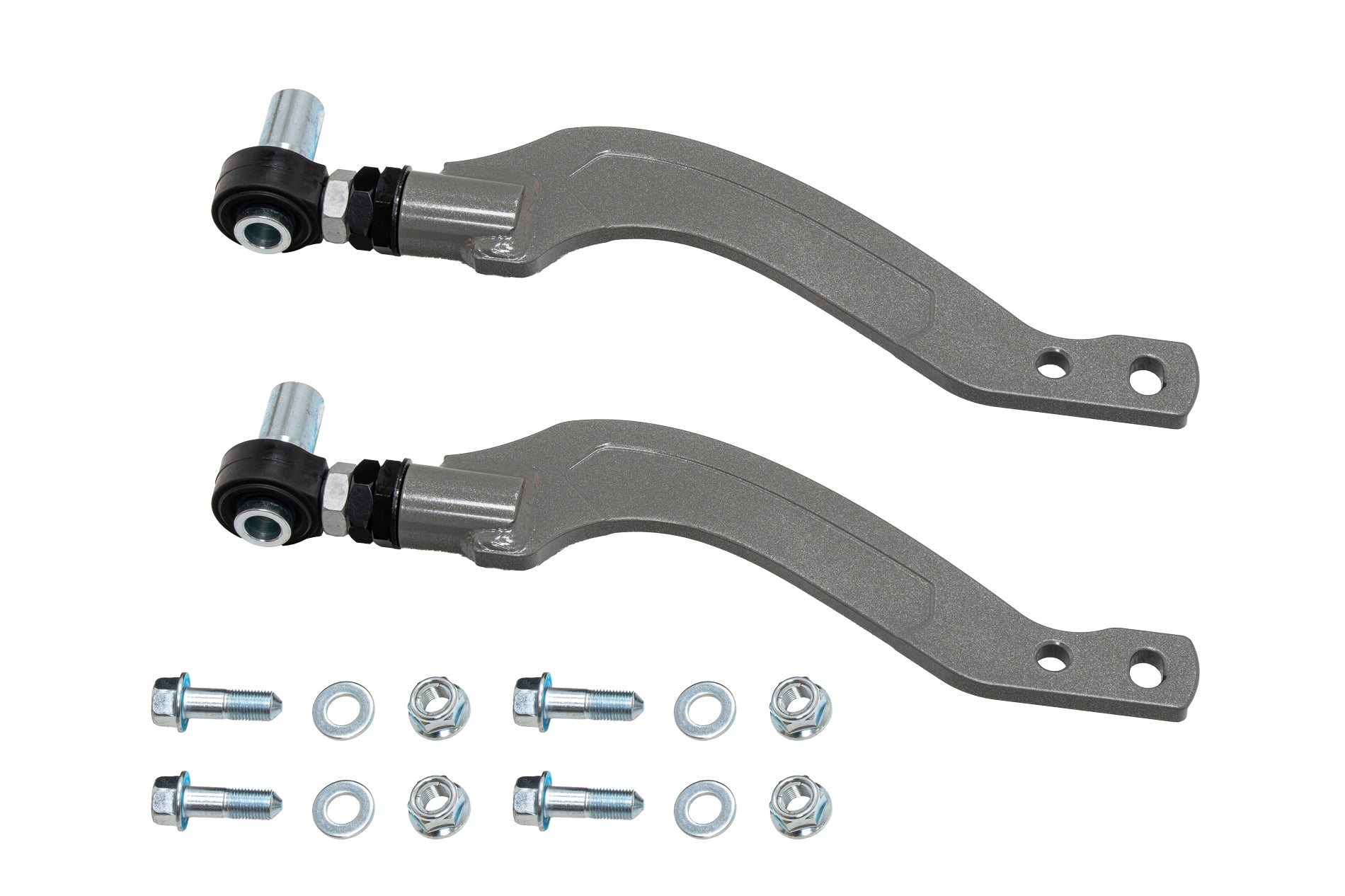
Tenison rod plays a key role in many construction projects. It helps hold structures firm and safe. Choosing the right tenison rod improves strength and durability. Simple to install and cost-effective too. Understanding its use can save time and money.
A small part with a big impact. Keep tenison rods in mind for strong, lasting builds.


